
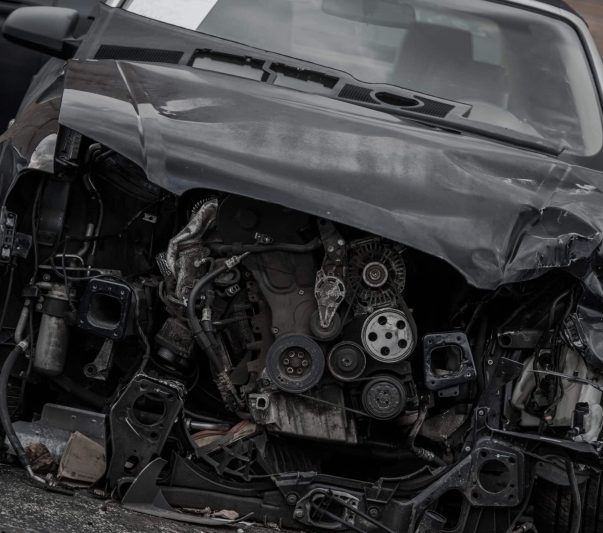

You may be able to sue after a car accident in Colorado if another party caused the crash and you suffered injuries or other losses. However, many car accident claims are resolved through settlement negotiations rather than going to trial.
Your right to compensation will depend on factors such as fault, available evidence, insurance coverage, and whether you file within Colorado’s legal deadline. Our Colorado car accident lawyers at Olson Personal Injury Lawyers can help you understand if you have a claim and can file a lawsuit in your case.
Table of Contents
- When Is It Possible To File a Car Accident Lawsuit?
- Can You Still File a Lawsuit, Even if the Other Driver Is Uninsured?
- Should You File a Lawsuit Even If It’s A Minor Car Crash?
- What Happens When You Are Partially at Fault?
- How Do You Prove Negligence in a Colorado Car Accident Lawsuit?
- What Is the Statute of Limitations for Filing a Lawsuit After a Car Accident in Colorado?
- Get Help With Your Colorado Car Accident Claim Today
Key Takeaways
- You can file a car accident lawsuit when another party’s negligence causes injuries or financial losses, including after a minor accident or one involving an uninsured driver.
- Colorado’s modified comparative negligence rule allows you to recover compensation if you are less than 50% at fault, but your recovery will be reduced proportionately.
- Strong evidence is essential to proving negligence and damages, and most Colorado car accident lawsuits must be filed within three years of the incident.
When Is It Possible To File a Car Accident Lawsuit?
When the evidence shows that another party’s negligent behavior caused your accident injuries or financial losses, you can pursue a car accident lawsuit.
Negligent behavior can include:
- Speeding
- Distracted driving
- Impaired driving
- Violations of other traffic laws
A lawsuit may also be appropriate when an insurance company denies your claim, disputes fault, or offers less than your losses warrant.
Case Study: Suing After a Colorado Car Accident When a Hotel Refused to Settle
Jillian had booked a downtown hotel room so she and her friends would not drive after celebrating her acceptance as a Colorado Rapids cheerleader. In the early morning a security guard kicked the group out, knowing they were intoxicated, without calling a cab or the police; a friend drove, and minutes later the car struck a parked vehicle, spun across the highway and crashed into the center divider.
One friend was killed, and Jillian, in the back seat, suffered a severe brain injury that required ongoing medical care and will affect her for the rest of her life. The bar and the driver had already been sued, but the hotel refused to settle or even discuss the negligent eviction, forcing the case to trial. Attorney Sean Olson negotiated a settlement with the hotel as the jury was about to return its verdict, which allowed Jillian’s family to care for her at home instead of placing her in an institution.
Can You Still File a Lawsuit, Even if the Other Driver Is Uninsured?
If the other party does not have insurance, you may be able to sue them personally. However, recovering compensation can be difficult if they lack sufficient income or assets.
Other potential sources of compensation can include:
- Uninsured motorist coverage: UM coverage can compensate you for bodily injuries caused by an uninsured or hit-and-run driver.
- Medical payments coverage: MedPay can cover medical expenses for you and your passengers, regardless of who caused the accident.
- Collision coverage: This coverage can pay to repair or replace your vehicle, subject to your deductible.
- Other liable parties: Depending on the circumstances, another person, an employer, or a business may share responsibility for the incident.
Because coverage, exclusions, and limits vary, an experienced attorney can help you carefully review all applicable insurance policies before deciding whether to file a lawsuit.
Should You File a Lawsuit Even If It’s A Minor Car Crash?
Even if your car accident is minor, you can still file a lawsuit against the other party, as long as there is evidence of negligence and damages. In many cases, the amount of vehicle damage does not always reflect the seriousness of your injuries.
Some injuries, including whiplash, concussions, and soft-tissue injuries, may not cause noticeable symptoms until hours or days after an accident. Similarly, pain or other symptoms that seem minor at first may worsen or require ongoing treatment.
Seeking medical care immediately after the wreck can protect your health and create records connecting your injuries to the incident. Medical evaluations, treatment notes, test results, bills, and follow-up records will become important evidence if an insurer disputes your injuries or you later pursue legal action and seek compensation for damages.
What Happens When You Are Partially at Fault?
Colorado follows a modified comparative negligence rule. Under this, you are entitled to recover compensation in a personal injury claim if your share of fault is less than the combined fault of the other parties. However, your compensation will be reduced by your percentage of responsibility. For example, if you have $100,000 in damages but are found 20% at fault, you can still recover $80,000. If you are 50% or more at fault, you generally cannot recover damages.
Because even a small increase in your assigned percentage of fault can reduce your compensation, fault is often a major issue in settlement negotiations and litigation. Evidence such as police reports, photographs, witness statements, video footage, and crash reconstruction findings may help establish each party’s responsibility.
How Do You Prove Negligence in a Colorado Car Accident Lawsuit?
To succeed in a car accident lawsuit based on negligence, you will need to establish four legal elements. These elements are:
- Duty of care: You need to establish that the other party had a legal duty to operate their vehicle with reasonable care and follow traffic laws.
- Breach of duty: You must prove that the party violated that duty through conduct such as speeding, distracted driving, or failing to yield.
- Causation: You will need to show that the other party’s actions caused the collision and your resulting injuries.
- Damages: You have to show that you suffered measurable losses, such as medical expenses, lost income, property damage, pain and suffering, or physical impairment.
Your attorney will collect different types of evidence to support these elements. Relevant evidence can include the police report, photographs, videos, witness statements, vehicle damage records, medical records and bills, proof of lost income, and expert testimony.
What Is the Statute of Limitations for Filing a Lawsuit After a Car Accident in Colorado?
In most cases, Colorado gives you three years from the date of a motor vehicle accident to file a lawsuit for injuries or property damage. Missing this deadline will prevent you from recovering compensation, regardless of the strength of your claim.
Different deadlines or notice requirements can apply if the claim involves a government entity, an injured minor, a fatal crash, or another legal exception.
Because these rules are fact-specific, you should verify the deadline that applies to your case as early as possible. Keep in mind that filing an insurance claim or negotiating with an insurer does not necessarily pause the statute of limitations.
Get Help With Your Colorado Car Accident Claim Today
If you were injured in a car accident, our seasoned Colorado attorneys at Olson Personal Injury Lawyers can review the evidence, determine who may be liable, and explain whether filing a lawsuit is appropriate. Contact us by calling (303) 381-2234 to discuss your claim and learn more about your legal options.