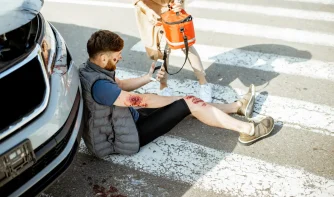


A motorcycle accident can leave you injured, shaken, and unsure where to turn next. For riders in New Mexico, the risks are even higher due to high-speed roadways, long rural stretches, and distracted drivers who may not see motorcycles until it is too late.
Knowing what to do after a motorcycle accident in New Mexico can help you protect your health, preserve important evidence, and avoid mistakes that could affect your ability to recover compensation. At Olson Personal Injury Lawyers, our New Mexico motorcycle accident attorneys help injured riders navigate the aftermath of serious crashes by explaining their options, handling insurance issues, and working to hold negligent drivers accountable.
Key Takeaways
- Get to safety, call 911, and seek medical care as soon as possible after a motorcycle accident in New Mexico.
- Avoid apologizing or making statements that could be interpreted as accepting fault.
- Medical records, documentation, and early legal guidance can help protect your health and your rights.
Ensure Immediate Safety and Call 911
After a motorcycle accident, take a moment to assess your condition and the surrounding area. If you are able to move safely, get out of traffic and to a secure location to reduce the risk of further injury.
Calling 911 is an important step, especially when injuries or significant damage are involved. Emergency responders can provide medical assistance, secure the scene, and make sure the crash is properly documented. In New Mexico, a police report creates an official record of the accident, which may be helpful when evaluating fault and injury claims later.
Get Medical Attention
Injuries are not always immediately apparent after a motorcycle accident. Adrenaline and shock can mask pain, and some injuries may take time to appear. You should be evaluated by paramedics at the scene or seek care at an emergency room as soon as possible. Getting medical attention right away protects your health and reduces the risk of complications.
Medical records are also essential to any motorcycle accident claim. They document the link between the crash and your injuries and help support the compensation you may seek.
Document the Scene
If you are physically able, document the accident scene as soon as possible. Visual evidence can play a major role in showing how the crash occurred and who may be responsible. Take photos of the motorcycle and other vehicles involved, their positions after the collision, visible damage, road conditions, skid marks, traffic signs or signals, and any visible injuries. Try to capture the scene from multiple angles before vehicles are moved.
The more documentation you have, the stronger your claim may be. Clear photos and details can help support your version of events and may significantly affect the compensation you are able to pursue.
Exchange and Collect Information
Exchange information with all drivers involved in the crash. This includes names, contact details, driver’s license numbers, and insurance information.
If there were witnesses, ask for their names and contact information before they leave the scene. Witness statements can be especially important in motorcycle accidents where fault is disputed. Our New Mexico injury lawyers can follow up with witnesses, gather detailed statements, and preserve this information so you can focus on your recovery.
Avoid Apologizing or Accepting Blame
After a motorcycle accident, avoid apologizing or making statements that could be interpreted as accepting blame. Even casual comments made in the moment can be misunderstood or taken out of context.
Fault is determined later based on evidence, not on immediate reactions at the scene. Insurance companies may use statements against injured riders to reduce or deny claims, which is why it is best to keep conversations brief and factual.
Discover How Olson Personal Injury Lawyers Ensures Our Clients Get The Best Representation
Report the Accident
New Mexico law requires accidents involving injury, death, or significant property damage to be reported to law enforcement. This requirement applies to motorcycle accidents, even when injuries do not seem serious at first.
Reporting the crash creates an official record that can be critical for both insurance claims and any future legal action. Failing to report an accident can make it harder to prove what happened and may complicate your ability to recover compensation.
Keep and Organize All of Your Evidence
Continue documenting your injuries and recovery in the days and weeks following the accident. Keep copies of medical bills, prescriptions, doctor’s notes, and records from follow-up or rehabilitation appointments. You should also save repair estimates, receipts related to your motorcycle, and any correspondence with insurance companies.
Ongoing documentation helps show the full impact of the accident over time. Photos of your injuries as they heal and organized records of your expenses can strengthen your claim and support the compensation you may be entitled to pursue.
Notify Your Insurance
You should notify your insurance company promptly after a motorcycle accident, but be careful about what information you provide. Stick to basic facts such as the date, time, and location of the crash.
Insurance companies often try to minimize payouts, especially in motorcycle accident claims. Avoid giving recorded statements or detailed explanations before speaking with a lawyer. Having legal guidance early can help protect your rights and prevent missteps.
Contact Olson Personal Injury Lawyers for a Free Consultation
Our team understands the unique risks New Mexico riders face and knows how to handle the insurance and legal challenges that often follow a serious crash.
We offer free consultations, no upfront fees, and a 30-day trial, allowing you to determine if our firm is the right fit for you. From investigating the accident to handling insurance companies, we manage the entire process so you can focus on your recovery.
To speak with an experienced accident lawyer, call (303) 381-2234 or contact us online to get started.