
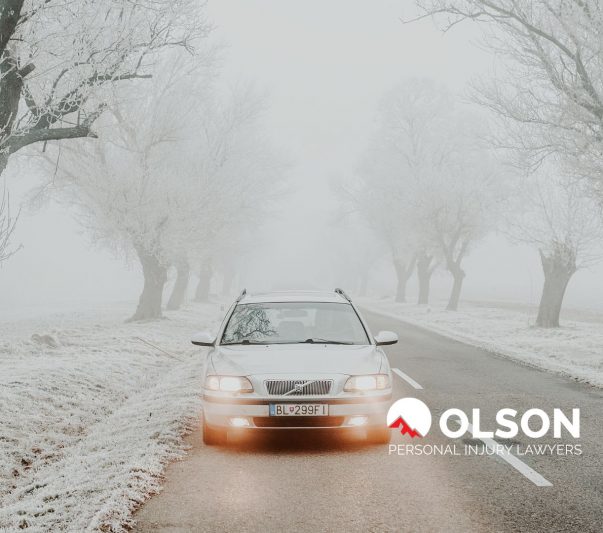

Winter weather can create hazardous conditions, with icy roads, heavy snow, and reduced visibility due to fog, all contributing to a higher risk of accidents. As temperatures drop and conditions worsen, accidents like car crashes, slip-and-fall incidents, and pedestrian injuries become more common.
If you or a loved one has been injured due to winter conditions, it’s important to understand your legal rights. Olson Personal Injury Lawyers are here to help you navigate the complexities of a winter accident claim and secure the compensation you deserve.
Contact us today for a free case evaluation and let our experienced team guide you through the next steps.
Types of Common Winter Accidents
Car Accidents in Winter Conditions
Winter conditions pose significant dangers to drivers. Icy roads, reduced visibility due to snowstorms or fog, and the presence of black ice all increase the likelihood of accidents. In Colorado, New Mexico, and Wyoming, winter months see a sharp rise in car crashes.
For instance, in Wyoming, winter weather contributes to a higher percentage of fatal car crashes, with the state leading the nation in these accidents. Drivers often struggle to stop in time or lose control of their vehicles when roads are slick, leading to serious injuries or fatalities.
Slip and Fall Accidents on Ice or Snow
Premises liability law holds property owners accountable for injuries that occur on their property due to hazardous conditions, such as icy sidewalks, driveways, or parking lots. In winter, slip-and-fall accidents are common in businesses, apartment complexes, and public spaces. For example, parking lots that haven’t been salted or sidewalks that aren’t cleared of snow can cause serious injuries like broken bones or head trauma. Property owners must take reasonable steps to prevent these accidents by maintaining safe walking areas.
Pedestrian Accidents
Winter weather creates additional risks for pedestrians. Snow-covered sidewalks, slippery curbs, and poor visibility due to shorter daylight hours make it harder for pedestrians to walk safely. Pedestrians are often at risk when walking in parking lots, near crosswalks, or in areas with poor lighting, especially if drivers don’t see them due to snow or fog. Injuries in these accidents can range from minor bruises to life-altering injuries, such as fractures or head trauma.
Workplace Accidents During Winter
Workplace accidents also increase during the winter months, especially for employees who work outdoors or in environments that aren’t well-maintained. Slips, trips, and falls on icy sidewalks or in parking lots are common, as well as injuries caused by shoveling snow or using equipment in hazardous conditions.
Employers have a responsibility to provide a safe working environment, and failure to do so during the winter months can lead to serious injuries that require medical attention and legal recourse.
Legal Steps to Take After a Winter Accident
Follow the steps below immediately after being involved in a winter accident.
- Seek medical attention immediately: Even if your injuries seem minor, seeking medical attention immediately is crucial after a winter accident.
- Document the incident: Collecting evidence is key to building a strong case. Take photos of the accident scene, your injuries, and any hazardous conditions (like ice or snow) that contributed to the accident.
- Report the accident to the proper authorities: You need to report the incident to the appropriate authorities.
- Avoid giving statements to insurance adjusters without legal advice: Insurance adjusters may contact you shortly after the accident to gather information. It’s important to avoid giving recorded statements without first consulting with an attorney.
- Contact a lawyer: An experienced personal injury lawyer can make all the difference in your case. They will investigate the circumstances surrounding your accident, gather additional evidence, and negotiate with insurance companies to ensure you receive fair compensation.
- Understand the statute of limitations: In Colorado, New Mexico, and Wyoming, there are specific time limits (statutes of limitations) for filing a claim after an accident. In most cases, you have 2 to 3 years to file a personal injury lawsuit, but delays can harm your case.
It’s crucial to act promptly, as waiting too long may result in losing your right to compensation. An attorney can help ensure that your claim is filed within the required time frame.
Who Can Be Legally Held Responsible In Winter Accidents?
Winter accidents can involve multiple parties, and determining liability depends on the specific circumstances of the incident. There are several common parties that may be legally responsible for winter-related accidents.
Negligent Drivers
Even in bad weather, drivers are required to adjust their speed and driving behavior to ensure safety. Failure to reduce speed on icy roads or neglecting to use proper tires can lead to accidents. Drivers who don’t take reasonable precautions may be held liable for accidents caused by their negligence.
Property Owners and Businesses
Property owners and businesses have a legal duty to remove hazards, like ice or snow, within a “reasonable” time frame. If they fail to do so and an accident occurs, they may be liable for any injuries sustained by individuals on their property, whether it’s a commercial parking lot, sidewalk, or driveway.
Municipalities
Municipalities are responsible for maintaining public roads, sidewalks, and other areas, but they often face stricter rules and shorter filing deadlines for claims. If a city or town fails to properly clear roads or sidewalks, they could be held accountable for accidents, though the legal process may be more complex due to government immunity laws.
Employers
In cases where employees are injured while working in winter conditions, workers’ compensation benefits typically apply. However, if a third party’s negligence contributed to the accident, a separate lawsuit could be pursued for additional compensation. Employers are also obligated to provide a safe working environment, including snow removal and other safety measures.
Product Manufacturers
Defective winter equipment, such as faulty snow removal tools or unsafe vehicle accessories, can lead to accidents. If a product failure causes harm, the manufacturer may be liable for damages. This can include faulty snow tires, chains, or even de-icing equipment.
Get Help From a Personal Injury Lawyer Today
If you or a loved one has been injured in an accident, don’t wait, contact Olson Personal Injury Lawyers for a free case evaluation. Our team is here to help you navigate the legal process, protect your rights, and secure the compensation you deserve. Call us today or fill out our online contact form to get started.